

US and EU Strengthen Inspection of Cosmetic Brush Bristle Chemical Composition
US and EU Strengthen Inspection of Cosmetic Brush Bristle Chemical Composition: Implications for Global Manufacturers
In recent months, both the United States and the European Union have announced stricter inspections on the chemical composition of cosmetic brush bristles, signaling a significant shift in global cosmetic safety regulations. This move comes amid growing concerns over potential health risks posed by harmful substances in beauty tools, with regulators aiming to protect consumer well-being while raising industry standards.
The Driving Force Behind Tighter Regulations
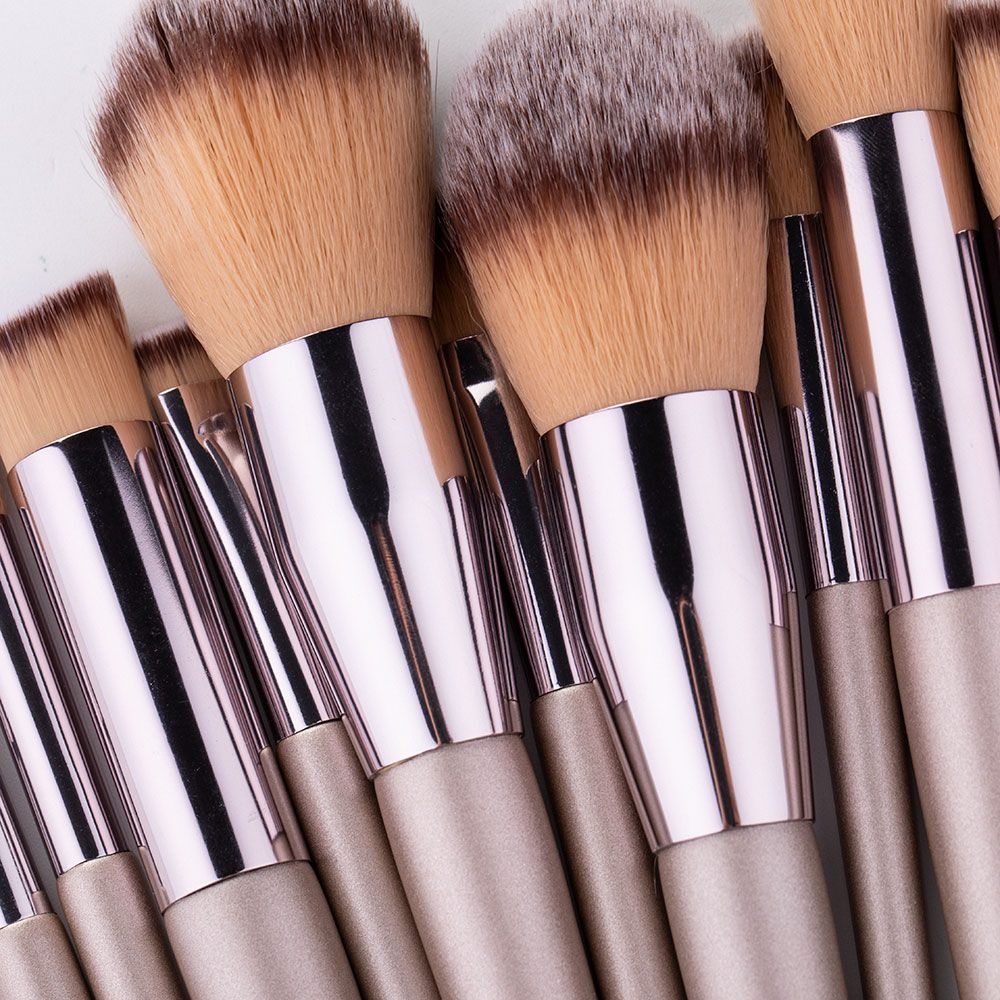
Consumer safety has emerged as a top priority for regulatory bodies. Recent studies and consumer reports have highlighted cases where cosmetic brush bristles contained excessive levels of heavy metals (such as lead and cadmium), formaldehyde releasers, and phthalates—substances linked to skin irritation, hormonal disruptions, and long-term health issues. For instance, the EU’s Scientific Committee on Consumer Safety (SCCS) released a 2023 report emphasizing that even low-level exposure to these chemicals through daily makeup use could pose cumulative risks. In the US, the FDA has noted an uptick in adverse event reports related to cosmetic brushes, prompting a reassessment of existing testing protocols.
Key Changes in Inspection Standards
Both regions have introduced concrete measures to enhance scrutiny:
- Expanded Chemical Targets: Inspections now cover a broader range of substances, including emerging contaminants like certain siloxanes and flame retardants, in addition to traditional targets. The EU’s REACH regulation, for example, has updated its candidate list to include three new bristle-related chemicals, requiring manufacturers to provide detailed safety data sheets.
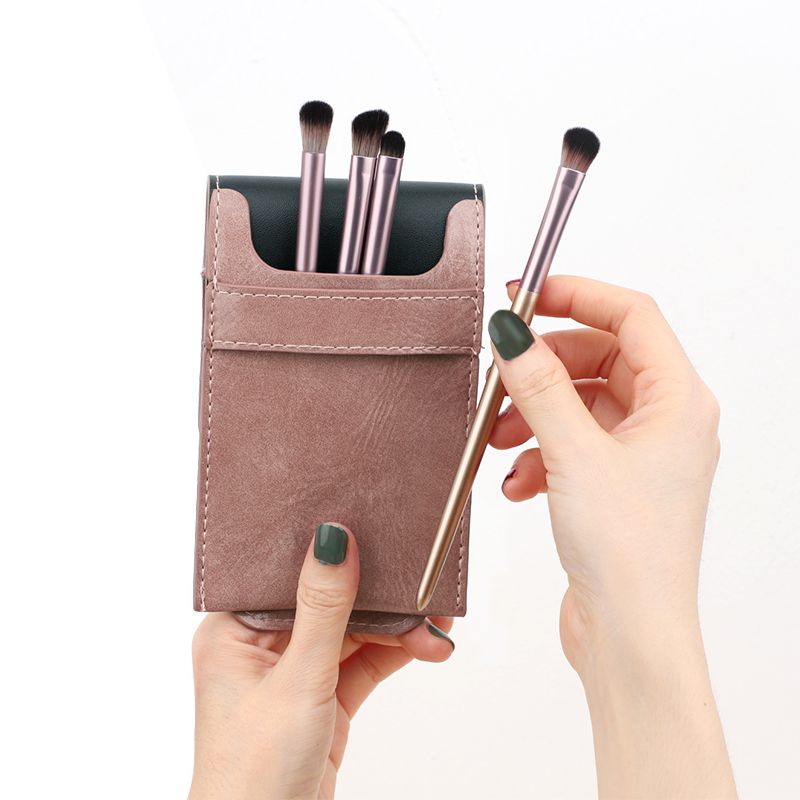
- Stricter Testing Methods: Labs are adopting more sensitive techniques, such as gas chromatography-mass spectrometry (GC-MS) and inductively coupled plasma mass spectrometry (ICP-MS), to detect trace levels of harmful chemicals. The US FDA has also mandated third-party certification for bristle materials, moving away from self-reported compliance.
- Supply Chain Transparency: Regulators now demand full traceability of bristle raw materials, from fiber production to brush assembly. Manufacturers must document the origin of synthetic or natural bristles (e.g., animal hair, nylon) and prove that suppliers meet regional safety standards.
Impact on Global Cosmetic Brush Manufacturers
The tightened regulations present both challenges and opportunities for manufacturers, especially those exporting to the US and EU markets. Short-term, compliance costs are likely to rise: investing in advanced testing equipment, auditing suppliers, and reformulating bristle materials (e.g., switching to phthalate-free plasticizers) may strain smaller businesses. However, these changes also drive industry innovation. Companies that prioritize safety are gaining a competitive edge, as consumers increasingly seek “clean beauty” tools with transparent ingredient lists.
Strategies for Compliance
To navigate the new landscape, manufacturers should consider the following steps:
1. Source High-Quality Raw Materials: Partner with suppliers that adhere to international standards, such as OEKO-TEX® or ISO 16128, to ensure bristle fibers are free from restricted chemicals.
2. Implement In-House Testing: Establish on-site labs or collaborate with accredited third-party testing firms to conduct regular bristle analysis, reducing reliance on pre-shipment inspections.
3. Stay Abreast of Regulatory Updates: Monitor changes in EU REACH, US FDA guidelines, and other regional frameworks (e.g., Canada’s Cosmetic Regulations) to avoid last-minute compliance gaps.
4. Educate Stakeholders: Train production teams on proper handling of bristle materials and communicate compliance efforts to customers through product labeling and marketing, building trust in brand reliability.
The Future of Cosmetic Brush Safety
The US and EU’s regulatory shift reflects a global trend toward stricter consumer protection in the beauty industry. As other markets (e.g., Japan, Australia) begin to align with these standards, manufacturers that proactively adopt rigorous safety measures will not only avoid penalties but also position themselves as leaders in sustainable, responsible beauty. Ultimately, the focus on bristle chemical composition is a step toward ensuring that cosmetic tools—often overlooked in safety discussions—are as safe as the products they apply.


